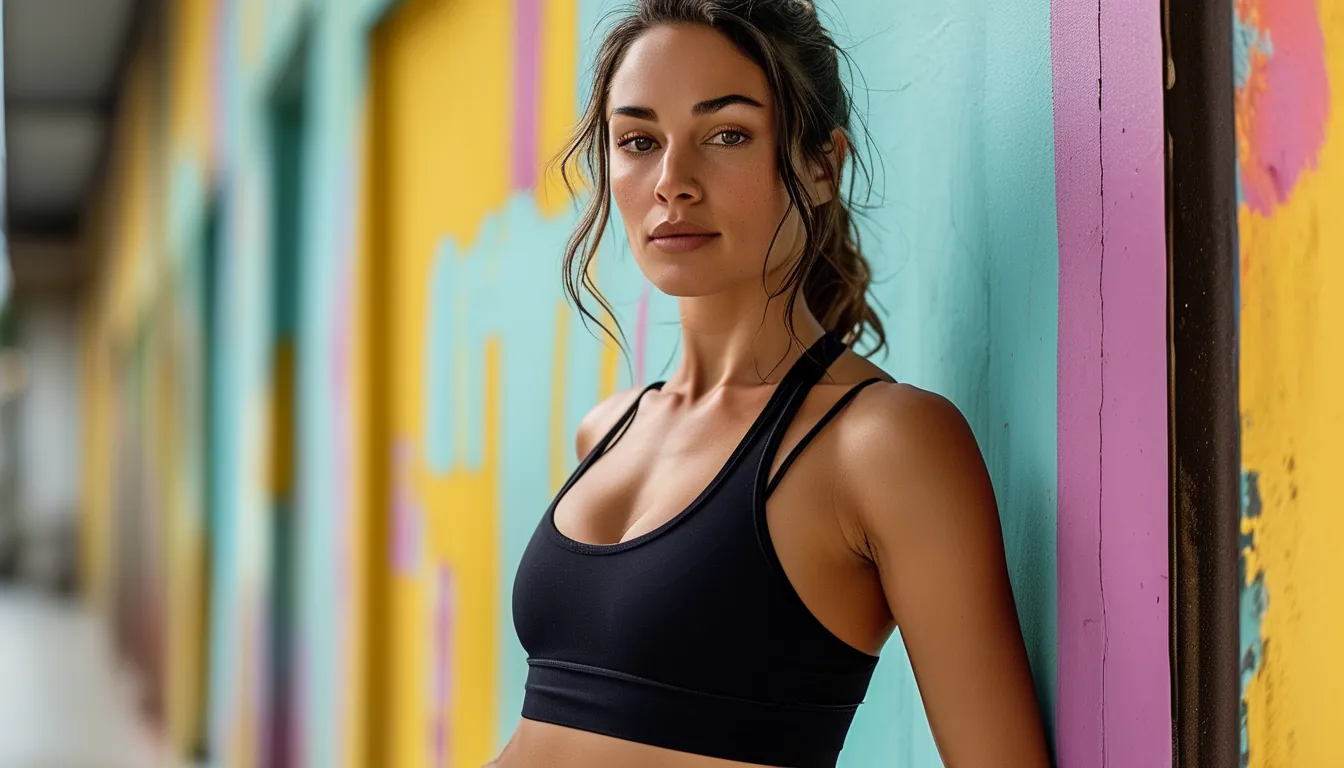
Why a Matching Set Instantly Reads as 'Put Together' (and Mixed Pieces Don't)
Quick Answer: A matching set reads as intentional because color and fabric consistency removes visual decision points for the viewer — the eye doesn’t have to reconcile two separate choices. Mixed pieces can look just as good, but need one deliberate coordinating element (color, texture, or silhouette) to read as equally intentional.
You’ve put genuine thought into a mixed-piece outfit that still somehow reads as thrown together next to someone in a basic matching set — that’s not your styling instinct failing, it’s a real visual-processing difference.
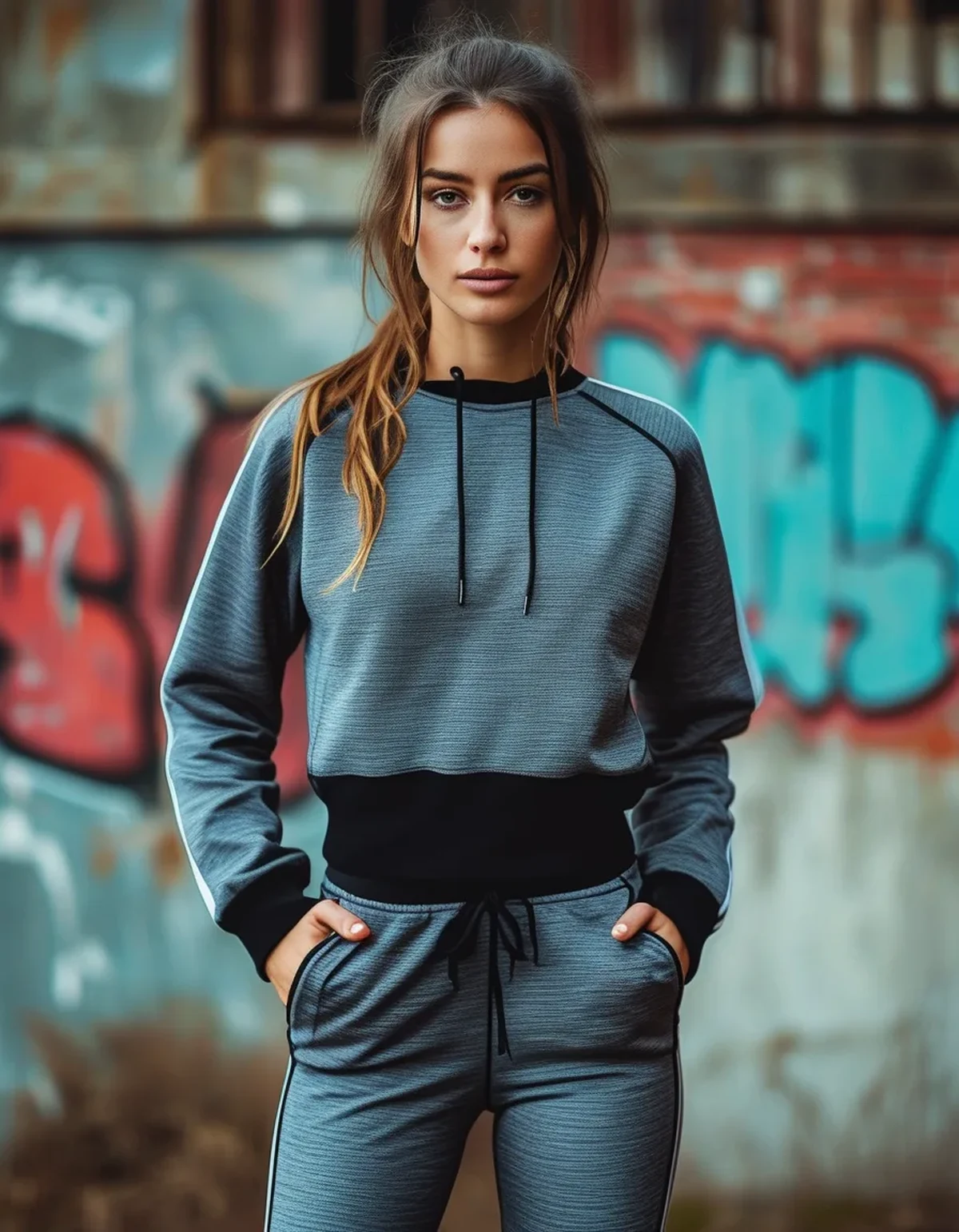
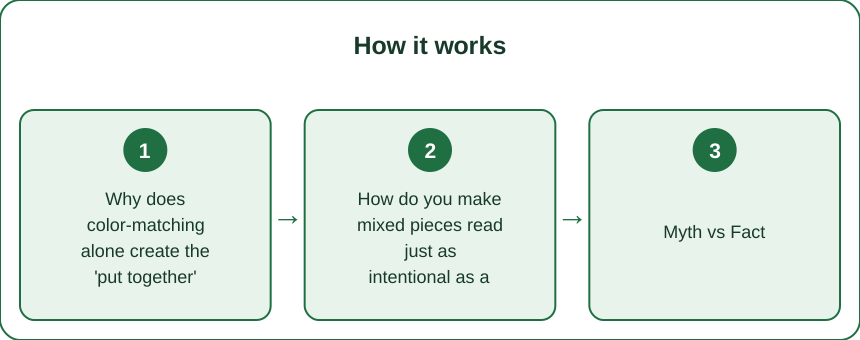
Why does color-matching alone create the ‘put together’ effect?
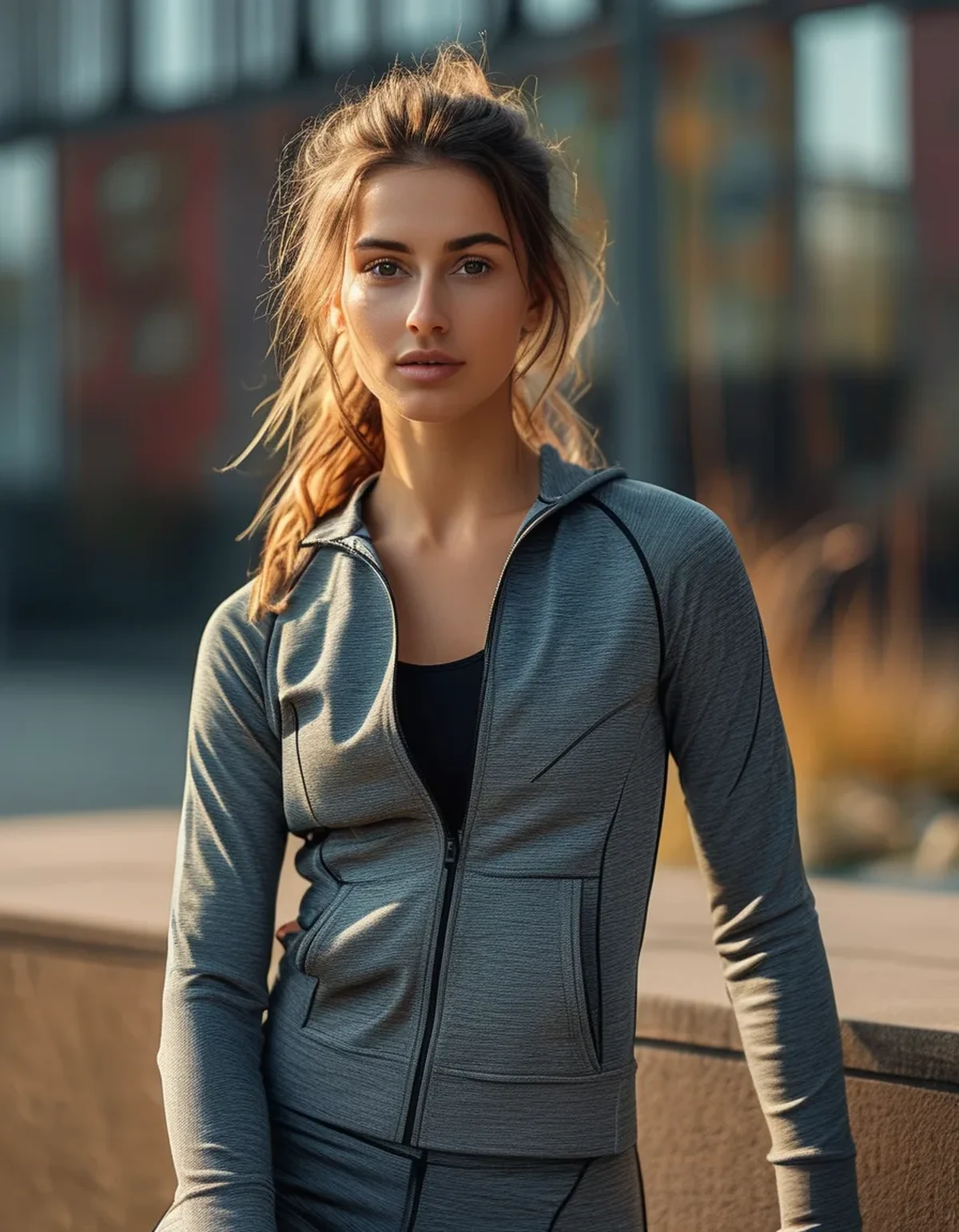
Visual consistency reduces the number of separate judgments a viewer’s eye makes. A matching set presents as one visual unit, so the brain doesn’t have to evaluate whether the top and bottom were chosen to go together — that decision is pre-resolved by the set itself.
Mixed pieces require the viewer’s eye to confirm coordination across separate items, and if that coordination isn’t obvious within a second or two, the outfit can read as unplanned even when it isn’t.
How do you make mixed pieces read just as intentional as a set?
Pick one clear coordinating thread — matching accent color between top and shoes, consistent fabric weight, or a repeated silhouette line — that gives the eye the same quick resolution a matching set provides automatically. Without this anchor, even well-chosen separate pieces take longer for a viewer to read as coordinated.
This is the same underlying principle as color-blocking or capsule wardrobe styling — reduce the number of independent decisions on display, and the outfit reads as more intentional almost instantly.
Myth vs Fact: Matching Sets vs Mixed Pieces
Myth: Matching sets are inherently more stylish than mixed pieces. Fact: Sets aren’t more stylish — they’re just faster to visually process as coordinated, which reads as ‘put together’ regardless of actual style level.
Myth: Mixing pieces always looks more effortful and works against a put-together look. Fact: Mixed pieces with one clear coordinating element read just as intentional, often with more personality than a straight set.
Myth: You need designer pieces for mixing to look intentional. Fact: Coordination, not price point, is what creates the intentional read — budget pieces with one shared color note work the same way.
What Nobody Tells You About the Matching-Set Effect
The effect weakens the more pieces you add — a matching two-piece set reads as strongly intentional, but adding a third unrelated-colored layer on top can undercut the same effect a set would otherwise create. Consistency has a natural ceiling of complexity before it needs a repeated anchor color to hold together.
A surprising number of ‘expensive-looking’ outfits are just this consistency principle applied deliberately — not more or better pieces, just fewer independent visual decisions left for the eye to resolve.
FAQ: Matching Sets and Mixed Piece Styling, Answered
Is it worth buying activewear sets specifically for this effect?
If convenience and speed matter to you, yes — but it’s not required, since one coordinating anchor color achieves a similar read with pieces you already own.
What’s the fastest way to add a coordinating anchor to an outfit?
Matching shoe or accessory color to one piece already in the outfit is usually the quickest fix, without needing to buy anything new.
Does this principle apply to non-athleisure outfits too?
Yes — the same visual-consistency logic applies to any outfit category, not just activewear or athleisure sets.
TL;DR:
- Matching sets read as intentional because they remove a visual coordination decision for the viewer
- Mixed pieces can read just as put-together with one clear coordinating anchor (color, texture, silhouette)
- The effect weakens as you add more independent pieces without a repeated anchor
- Price point doesn’t create the ‘put together’ read — visual consistency does
Your mixed outfit doesn’t need a matching set to look intentional — it needs one thread the eye can follow.
See It in Motion
Seen here: Bootcut Yoga Pants with Side Pockets — shop it on bubblelime.com
Keep Reading
This article is for general informational and styling purposes only. Fit, sizing, and product availability may vary.