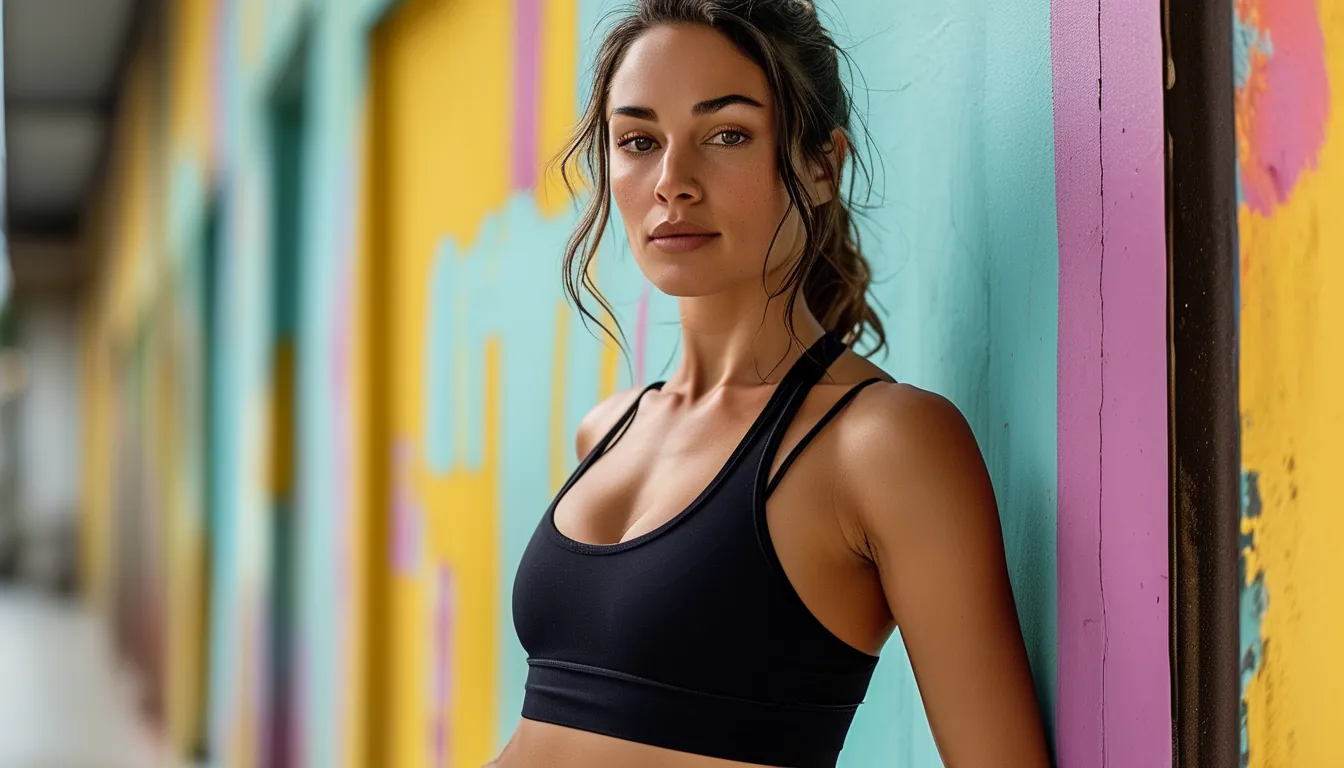
What Actually Happens to an Off-Duty Outfit Between Afternoon and Evening
Quick Answer: An off-duty outfit shifts between afternoon and evening for four measurable reasons: the colour temperature of the light drops and changes how your colours read, the temperature falls faster than your clothes adapt, the fabric has spent hours relaxing and no longer sits where it did, and the social context around you changes while the outfit does not. Most of this is fixable with one layer decision made in advance. Here it is, question by question.
Nothing happened. You did not spill anything, and you have not changed.
But something did change, four separate things did, and it is worth knowing which is which because they need different fixes.
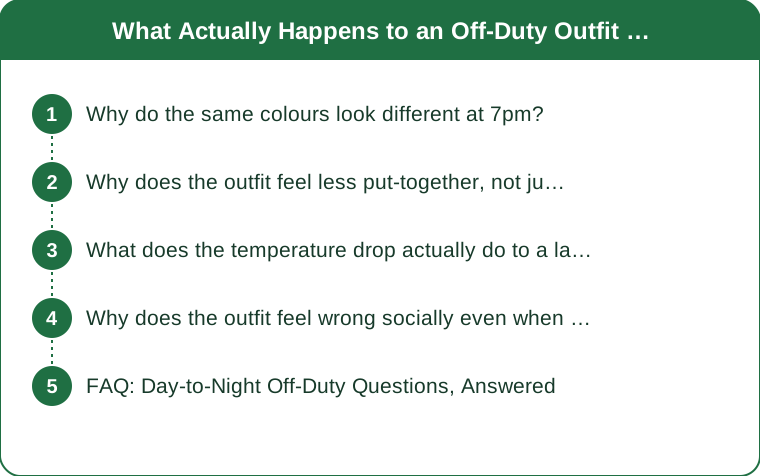
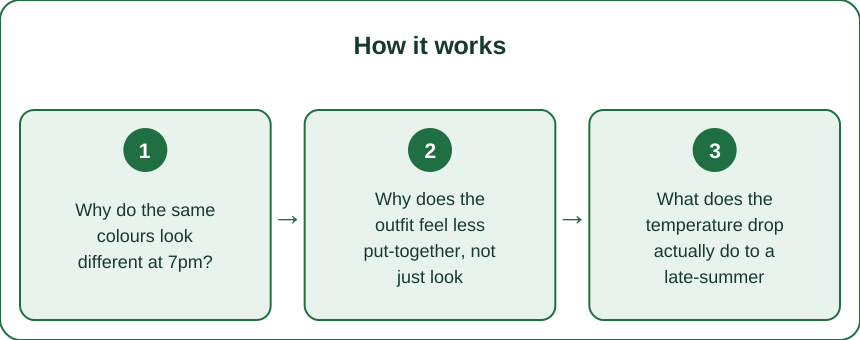
Why do the same colours look different at 7pm?
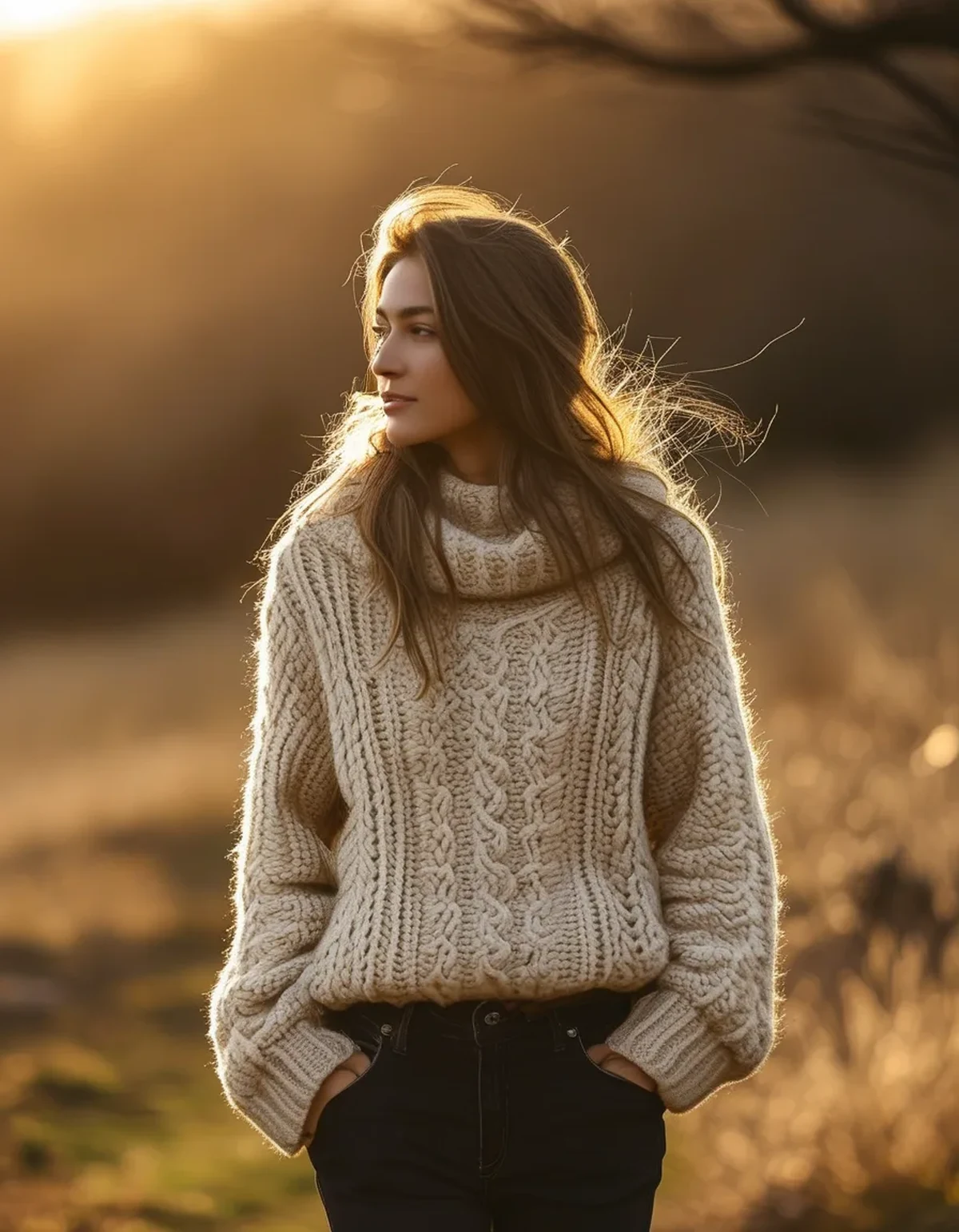
Because the light itself is a different colour, and this is measurable rather than atmospheric.
Midday daylight sits around 5500 to 6500 Kelvin — a fairly neutral white with plenty of blue in it. Late afternoon and evening light drops to roughly 3000 Kelvin or lower, which is heavily weighted toward orange and red.
What that does to clothing:
Cool colours lose their life. Soft blues, lilacs, cool greys and mint go muddy and slightly grey, because there is less blue light available to reflect.
Warm colours intensify. Camel, rust, cream and olive look richer at 7pm than they did at 2pm. This is why the same tan set can look expensive in the evening and slightly beige-bland at noon.
Whites go creamy, which is usually flattering, and cool white or optic white can look dirty by contrast with the warm light around it.
Black stays black, which is a large part of why it is the default for evening.
Does artificial light do the same thing?
Warm indoor bulbs, yes, similarly. But mixed lighting is the harder case — a room with warm bulbs and a big window at dusk lights you from two colour temperatures at once, and cool pastels look worst of all there.
Why does the outfit feel less put-together, not just look different?
Because fabric has been quietly relaxing all day.
Elastane recovers less as it warms and stretches. Leggings, knit sets and stretch trousers sit at their crispest in the first hour and gradually settle into a slightly larger, softer version of themselves. This is normal fabric behaviour, not a quality problem, but by evening a fitted piece has usually grown by a small amount in exactly the places you notice.
Knits drop. Anything with weight and drape — a fine knit, a soft tee, a relaxed trouser — hangs a little longer than it did this morning. Hemlines move. A cropped piece is less cropped.
Creases have accumulated. Sitting for four hours produces crease lines at the hip and behind the knee that were not there at 3pm, and they read as tired rather than as relaxed.
What helps:
- Choose fabrics with better recovery for long days: nylon-based blends and higher-quality elastane recover better than cheap polyester-elastane.
- A structured element that does not relax — a stiffer jacket, a bag with shape, a shoe with structure — anchors the outfit as everything else softens.
- A washroom reset, genuinely. Two minutes of straightening and re-tucking undoes most of it.
What does the temperature drop actually do to a late-summer outfit?
It arrives faster than most people plan for at this point in the season.
In late August, the gap between the afternoon high and the evening temperature is widening week by week. A day that peaks at 27 degrees can be at 17 by nine in the evening, and that ten-degree swing is the single most common reason an outfit stops working.
What it looks like on the body:
- Bare arms stop being a style choice and become a comfort problem, and people compensate by crossing their arms, which wrecks the line of anything.
- Anything sheer or airy — a linen shirt, a fine tank, a mesh panel — reads as summer rather than as evening once the air turns.
- Sandals in cool air date an outfit faster than any other single item.
The practical version:
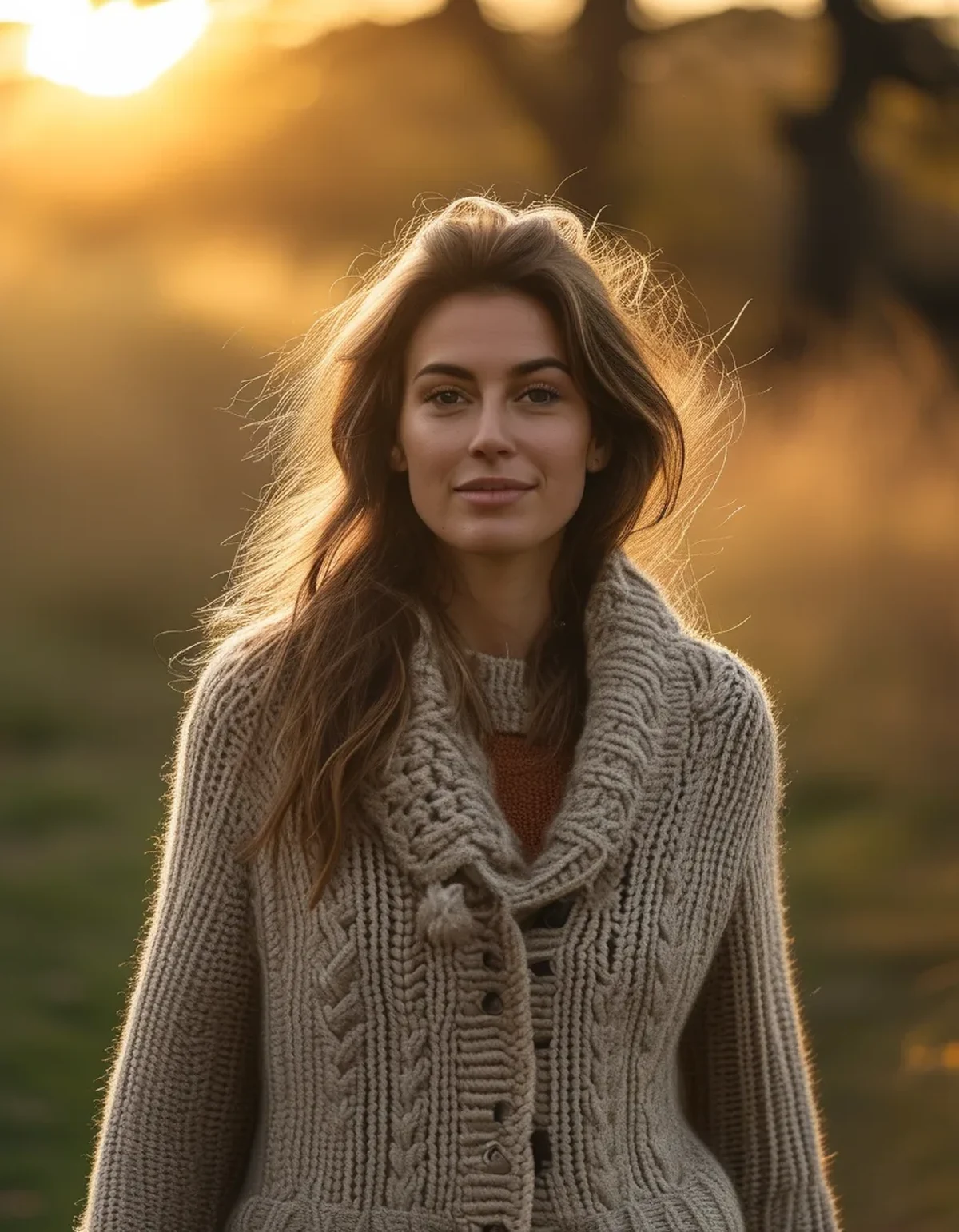
Decide the evening layer in the morning, and carry it. Not because you might get cold, but because the outfit needs it to work visually after six.
The layers that do the most for the least bulk: an oversized shirt you can wear open, a fine knit that packs to nothing, or a structured cardigan that adds shape rather than volume.
Is there a fabric that handles both ends of the day?
Merino, genuinely, in a fine gauge. It is comfortable across a wider temperature range than cotton and it does not read as either summer or winter.
Why does the outfit feel wrong socially even when it looks fine?
Because the room changes even when you do not.
At three in the afternoon you are dressed relative to a context of daytime errands, where a relaxed set is the correct answer. At seven, the same street contains people who went home and changed, and your outfit is now being read against a different baseline.
This is not vanity, it is just how dress codes work, and it is why the same outfit can feel effortless at one hour and underdressed at another with zero physical change.
The fixes that work, in order of effort:
- One deliberate evening signal. A different shoe, a real bag, a piece of jewellery with weight. One is enough — the whole outfit does not need to change.
- Swap the most casual item, not the most visible one. A relaxed set with a proper shoe reads intentional; the same set with trainers reads like you did not plan to be out.
- Change the top, not the bottom, if you can only change one thing. It is nearer your face and it does more work.
Does this mean off-duty dressing does not work in the evening?
Not at all. It means it needs one non-casual anchor to read as a choice rather than as a default.
FAQ: Day-to-Night Off-Duty Questions, Answered
What is the single most useful item to carry?
An oversized shirt in a fabric with some body. It handles the temperature drop, adds structure as everything else relaxes, and reads deliberately styled rather than practical.
Which colours work at both ends of the day?
Warm neutrals — camel, cream, olive, chocolate — hold up across the whole colour-temperature shift. Cool pastels are the ones that fall apart after five.
Should I bring a different bag?
If you are only changing one thing, a bag with structure does more than most people expect, because it is at hip height and in every sightline.
How do I stop creases showing by evening?
Choose fabrics with either enough elastane to recover or enough texture to hide it. Flat, smooth, low-stretch fabrics show every hour you have sat down.
Is it worth carrying a second pair of shoes?
For a long day that runs into the evening, in late summer specifically, yes. Footwear dates an outfit to a time of day faster than anything else you are wearing.
TL;DR:
- Evening light drops to around 3000K, which drains cool pastels and enriches warm neutrals.
- Fabric relaxes across the day — fitted pieces grow slightly, knits drop, creases accumulate.
- The afternoon-to-evening temperature gap is widening weekly right now, and bare arms stop working before the outfit does.
- The room changes at seven even though your outfit did not — one deliberate evening signal fixes it.
- Carry an oversized shirt or fine knit. It solves the temperature, the structure and the dress-code problem at once.
The outfit did not fail. It was designed for two in the afternoon, and you wore it into a different set of conditions.
See It in Motion
Seen here: High Waist Wide Leg Yoga Pants with Pockets — shop it on bubblelime.com
Keep Reading
This article is for general informational and styling purposes only. Fit, sizing, and product availability may vary.