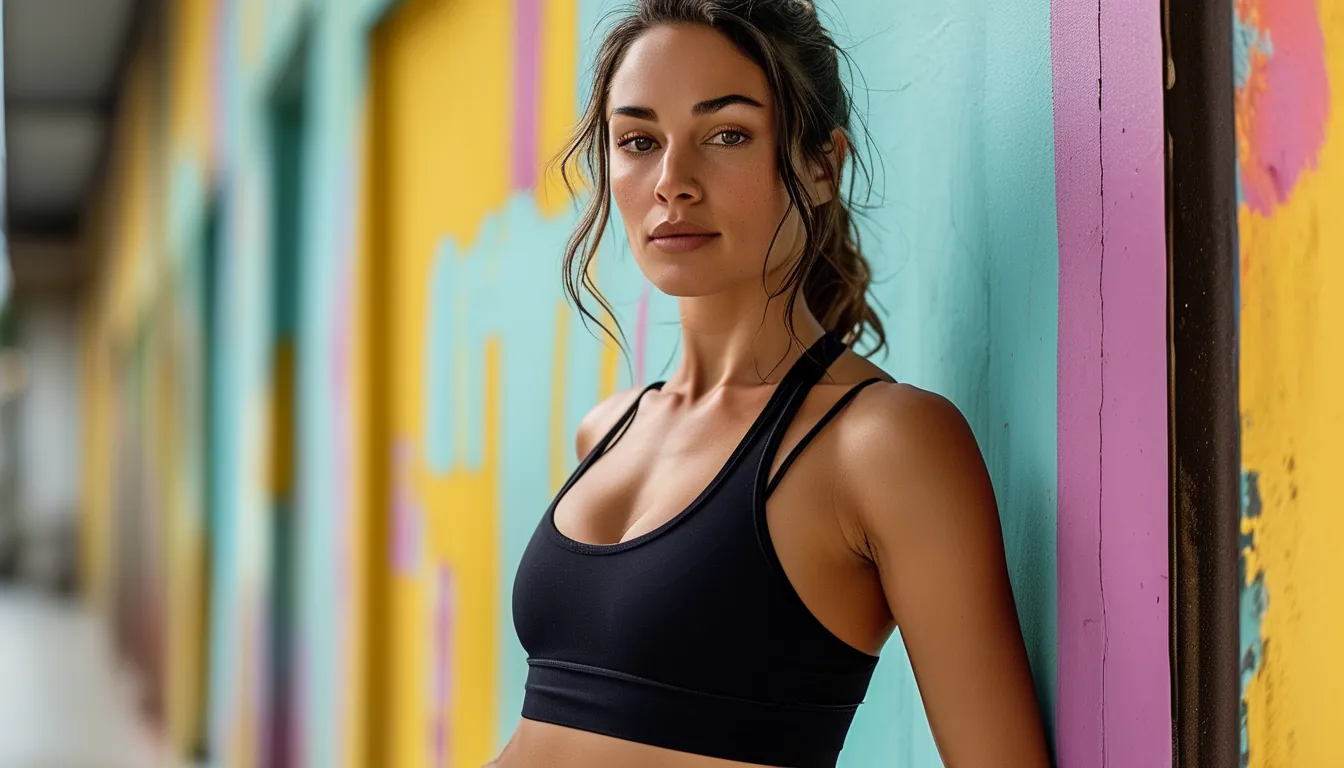
What Makes Off-Duty Dressing Look Intentional? Every Question, Answered
Quick Answer: Off-duty outfits read as intentional when at least one element is deliberately structured - a stiffer fabric, a defined shoulder, a real shoe, a proper bag - among otherwise soft pieces. The failure mode is total softness: soft fabric, soft shape, soft shoe, soft bag, which the eye reads as unplanned regardless of what anything cost. Everything below is that principle, broken into the specific questions people actually ask.
The outfit is comfortable and the outfit is clean and the outfit still looks like you gave up.
Here is what is actually going on, question by question.
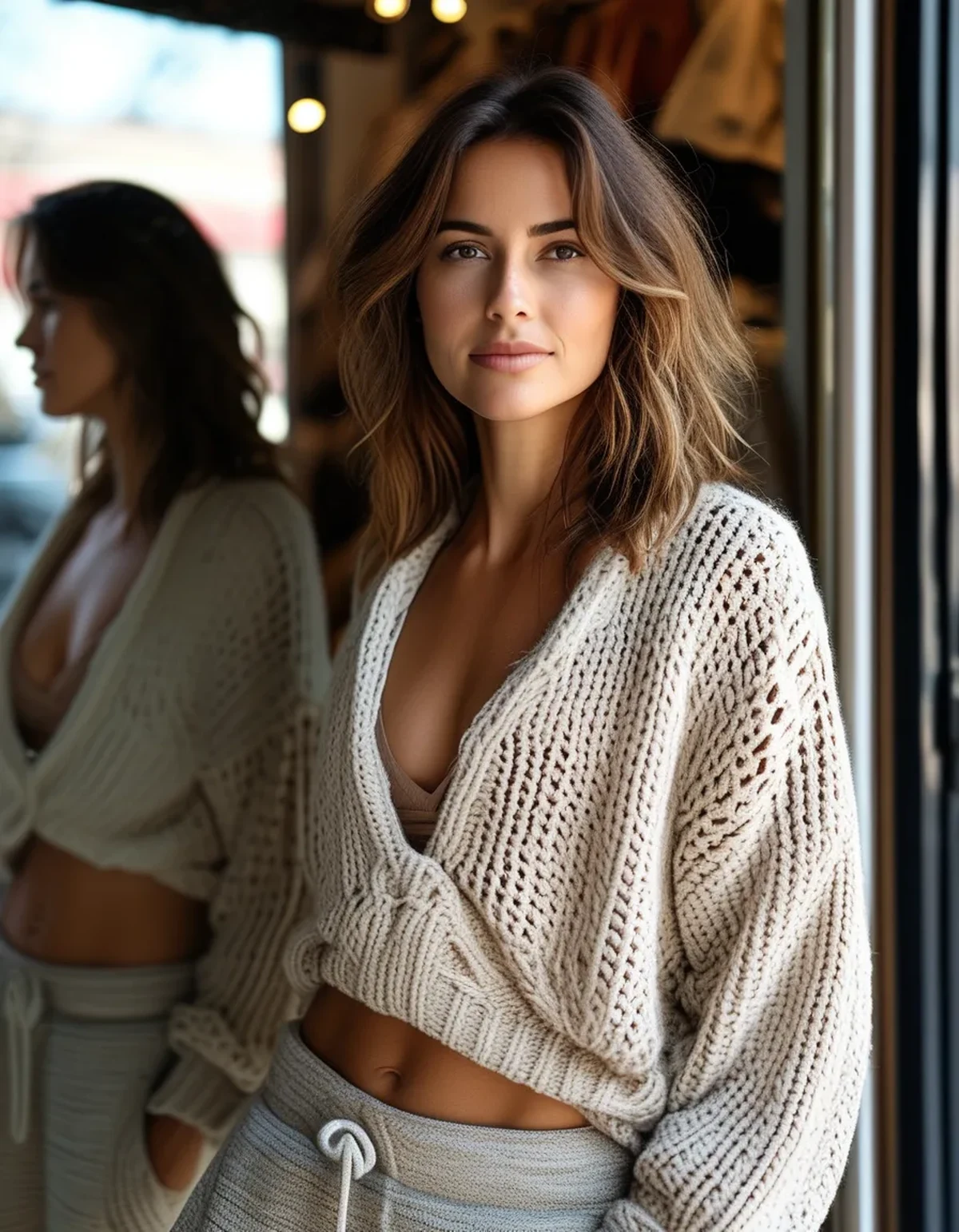
Why does head-to-toe soft always look unmade?
Because the eye reads structure as evidence of decision. A garment holding a shape had to be chosen and put on deliberately; a garment collapsing on the body could have been slept in. That inference happens instantly and below the level of thought.
Soft fabric plus soft silhouette plus soft footwear removes every reference point. Without one firm edge, there is nothing establishing where your shoulder, waist or foot actually is, and outlines are what make a person look composed.
One structured element resets the whole reading. A denim jacket over a matching set, a leather loafer with a legging, a structured tote with a hoodie. The soft pieces stay exactly as comfortable and the outfit changes category.
Structure does not mean stiff or uncomfortable. A knit with body, a jacket with a defined shoulder, a shoe with a real sole - all comfortable, all structural.
And it does not need to be more than one. Two structured pieces in a soft outfit start to read as a different, more formal outfit; one is the reliable ratio here.
### Does the fit of soft clothes matter as much as structure?
What about proportion - does it fix a soft outfit on its own? Proportion is the second lever and it is nearly as powerful. An oversized top with a slim bottom, or a fitted top with a wide bottom, creates a deliberate shape. Oversized with oversized creates a rectangle.
Define one point on the body. A tucked hem, a pushed sleeve, a cuffed ankle, a belt. One place where the outfit narrows tells the eye where you are, and that is most of what tailoring does.
The front tuck is the cheapest version of this, which is why it appears in every styling guide - it manufactures a waist in an untailored garment in about two seconds.
Length is a proportion decision too. A hem ending at the widest part of the hip reads differently than one ending two inches above or below it, and this matters more in soft fabrics because they follow the body rather than holding their own line.
And ankles do a surprising amount of work. A visible ankle between a cuffed hem and a low shoe creates a break in the silhouette that reads as intentional, which is why cropped and cuffed lengths dominate off-duty dressing.

### Do the small things actually matter?
Which details are worth the effort and which are not? Shoes carry more weight than anything else in the outfit. A worn running shoe pulls everything down; a clean minimal sneaker, a loafer, or a boot changes the whole read. If you fix one thing, fix the shoe.
Fabric condition matters more than fabric price. Pilling, a stretched neckline, a faded black - these are what actually register. A well-maintained inexpensive knit outperforms a tired expensive one every time.
Bag structure is second only to shoes. A soft nylon bag alongside a soft outfit compounds the problem; a bag holding its own shape counts as your structural element on its own.
Hair, sunglasses and a watch read as evidence of intent rather than as accessories, which is why they change the impression disproportionately to their size.
Colour cohesion helps but is not the fix. A tonal outfit in all-soft fabrics still reads as unmade; tonal plus one structured piece reads as deliberate.
And skip the things that only you notice. Perfectly matched hardware, coordinated undergarments, exact shade matching - none of it registers on anyone else, and the effort is better spent on the shoe.
What Nobody Tells You About Off-Duty Dressing
Most people are dressing for a photograph they will never take. In motion, at conversational distance, silhouette and shoe do essentially all the work, and detail almost none.
Comfort and structure are not opposites. The belief that they are is what produces the all-soft default. A structured cotton overshirt is as comfortable as a hoodie and reads completely differently.
The best off-duty outfits usually contain one slightly odd element - an unexpected colour, a piece from a different register, a sportier shoe with a smarter trouser. Perfectly coordinated casual reads as a uniform.
Matching sets are a shortcut and a trap. They are instantly cohesive and they are also entirely soft, so they need the structured third piece more than any other outfit does.
Athleisure ages faster than any other category, because the fabrics that make it comfortable are the ones that pill, stretch and fade first. Replacing basics is maintenance rather than shopping.
And in late August, the transitional version is the hardest, because it is still warm enough for summer fabric and the light has changed enough that summer colours look flat. A structured piece in a deeper tone bridges it without needing a whole new wardrobe.
FAQ: Off-Duty Style, Answered
What is the single cheapest upgrade?
A clean, minimal, non-running shoe. It changes more outfits than any garment you could buy at the same price.
Can I wear actual gym clothes off duty?
Yes, with one structural piece and shoes that are not the ones you train in. Training shoes plus training clothes reads as en route to the gym, which is fine when you are.
How do I make a hoodie look deliberate?
A structured jacket over it, a real shoe, and a defined bottom half. The hoodie is the soft element and needs partners rather than replacement.
What about late summer heat, when a jacket is impossible?
Structure can come from the bag and the shoe alone. A stiff tote and a leather sandal carry an entirely soft outfit through August.
Is expensive athleisure worth it?
Sometimes, for fabrics that resist pilling and hold colour - which is a durability argument rather than a style one. The style outcome comes from structure and proportion, both of which are free.
TL;DR:
- Off-duty reads as unmade when everything is soft; one structured element is what signals decision.
- Structure can come from a jacket, a knit with body, a real shoe or a bag that holds its shape - not from stiffness or discomfort.
- Define one point on the body: a tuck, a cuff, a pushed sleeve, a belt.
- Shoes carry the most weight of any single item, and fabric condition matters far more than fabric price.
- Matching sets are cohesive and entirely soft, so they need the third structured piece more than anything else.
One structured piece, one defined point, clean shoes. Everything else is optional.
See It in Motion
Seen here: High Waist Bootcut Yoga Pants — shop it on bubblelime.com
Keep Reading
This article is for general informational and styling purposes only. Fit, sizing, and product availability may vary.