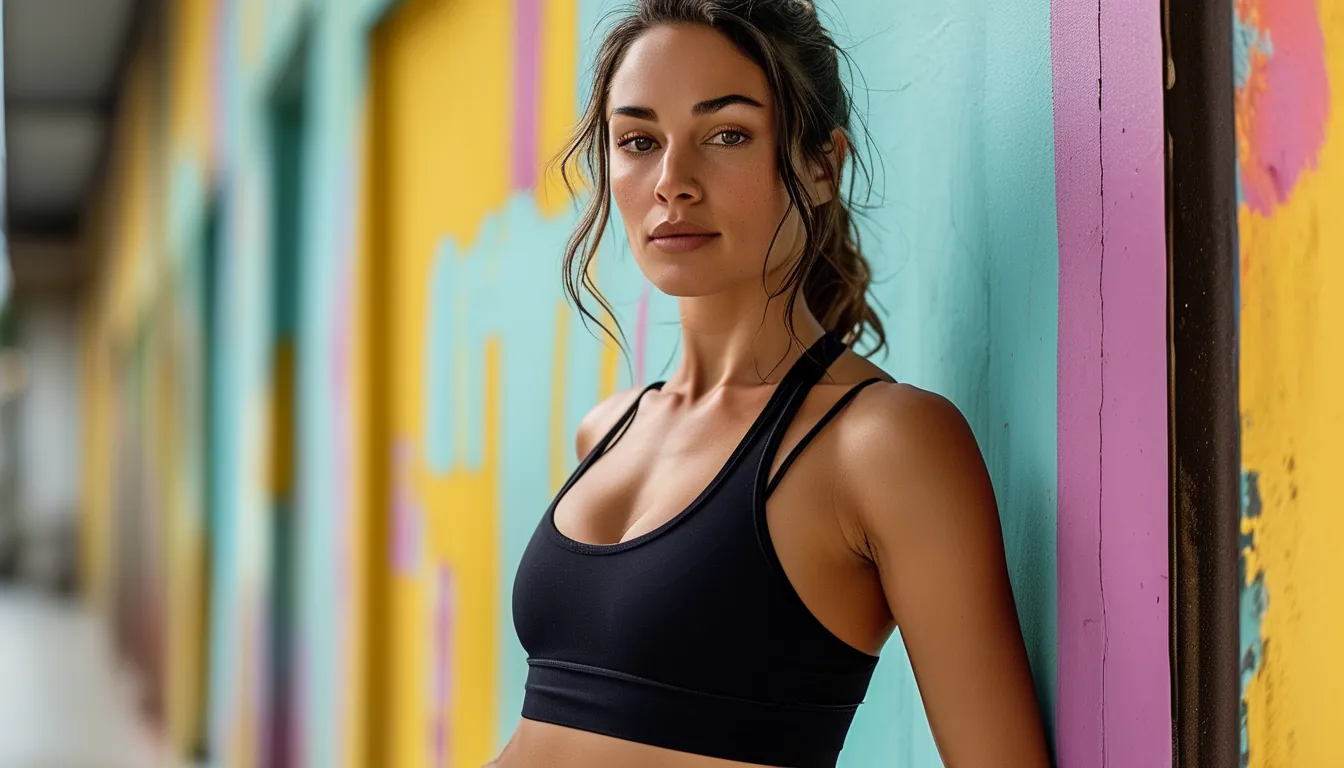
What Makes an Off-Duty Look Read as Intentional in Late August
Quick Answer: Off-duty reads as intentional when exactly one element is deliberately structured, everything else is soft, and the proportions stay consistent from top to bottom. In late August, the structured piece is usually a shoe or a light overshirt, not the clothes themselves.
It is 84 degrees at noon and 63 at eight. Your summer pieces look wrong by evening and your fall pieces look tragic at lunch. This is the window where off-duty either looks quietly expensive or looks like you gave up.

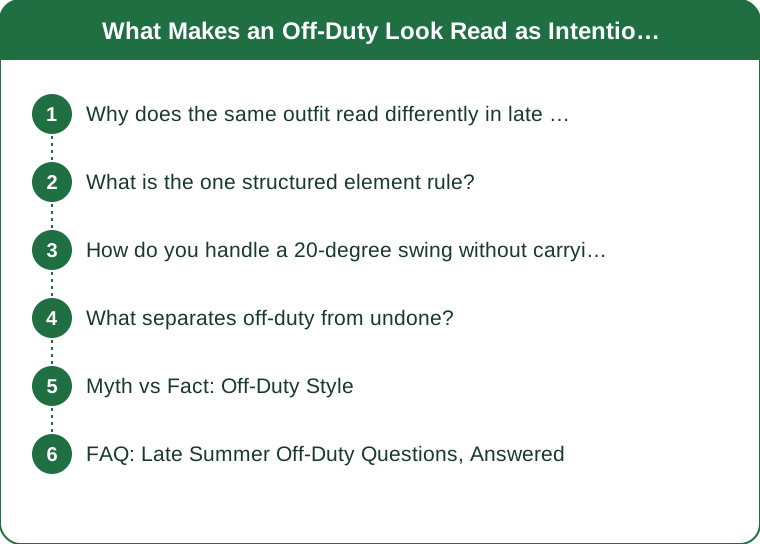
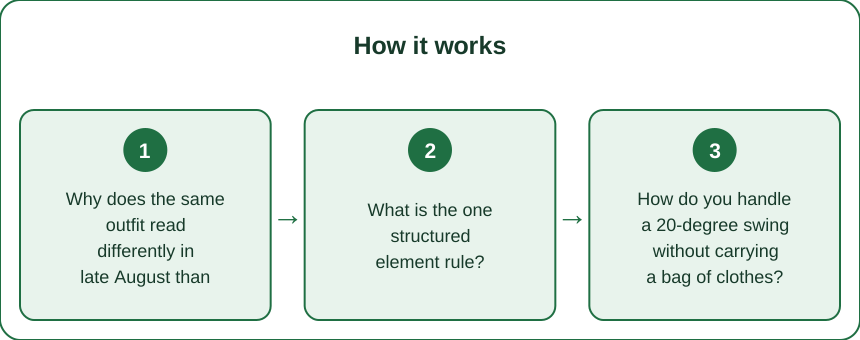
Why does the same outfit read differently in late August than in July?
Because the light changes before the temperature does. By mid-August the sun sits lower and warmer, which does two things to clothes.
First, it flattens pale summer neutrals. The bone white and pale sand that looked crisp in June now read slightly washed out against golden light. Second, it makes texture visible in a way overhead summer sun does not. A flat jersey looks flatter. A ribbed knit or a slubby cotton picks up shadow and looks deliberate.
This is why swapping fabric beats swapping color right now. The same off-white in a waffle knit reads as a chosen outfit. In a thin jersey it reads as a leftover.
What is the one structured element rule?
The most reliable off-duty formula is soft everywhere except one place.
Soft means: elastic waists, drapey knits, unstructured shoulders, relaxed hems. Structure means: a defined shoe, a stiff-brimmed cap, a boxy overshirt, a bag with an actual shape.
When everything is soft, the outfit reads as loungewear that escaped. When two or three elements are structured, it reads as a compromise between two outfits. One structured anchor is the whole trick.
In late August, the easiest anchor is footwear, because it is the only piece unaffected by the temperature swing. A clean low-profile sneaker, a leather slide with a real sole, or a flat boot once the evenings drop under 65. Everything above it can stay soft.
How do you handle a 20-degree swing without carrying a bag of clothes?
You build the swing into one layer instead of three.
The piece that solves late August is a light overshirt or unlined jacket in a mid-weight woven — cotton twill, linen blend, or a thin canvas. It can be carried without looking like luggage, worn open in the afternoon as a visual layer, and buttoned at night as actual warmth.
What does not work: a cardigan tied at the waist, which adds bulk exactly where the outfit needs a clean line, or a hoodie, which drags the whole look toward errand energy.
The second half of the answer is sock height. Going from no-show to a visible crew sock changes the perceived warmth of the entire outfit and costs nothing to carry.

What separates off-duty from undone?
Three specific things, and none of them are the individual pieces.
Hem discipline. An unintentional look usually has a hem sitting at a random point — a sleeve half over the wrist bone, a pant breaking twice on the shoe. Off-duty looks pick a landmark and stop there: sleeve pushed to just below the elbow, pant hem grazing the ankle bone.
Consistent volume story. Loose top with loose bottom works if one of them is defined somewhere, at the shoulder or the ankle. Loose with loose with no definition anywhere reads as unwell.
One clean surface. At least one piece should look freshly laundered and unpilled. If everything in the outfit is a little worn, the whole thing reads worn.
Myth vs Fact: Off-Duty Style
Myth: Off-duty means the most comfortable version of everything. Fact: It means the most comfortable version of everything except one piece, which does the visual work.
Myth: Neutral colors are automatically elevated. Fact: Neutrals only elevate when the texture carries interest. Flat neutrals in thin fabric read cheap faster than color does.
Myth: Matching sets are a shortcut to looking polished. Fact: A matching set is polished for about three months of wear, then the two pieces fade at different rates and the mismatch is more obvious than mixing on purpose would have been.
Myth: Sneakers are always the casual choice. Fact: A bulky running shoe reads casual. A low, clean, hard-soled sneaker reads closer to a loafer than to a trainer.
FAQ: Late Summer Off-Duty Questions, Answered
Is it too early for fall colors in mid-August?
Not in fabric-appropriate weight. A deep olive in a summer-weight cotton works now. The same olive in wool flannel does not, regardless of the color.
What shoe works across the whole 20-degree swing?
A low leather or leather-look sneaker with a visible sole edge. It handles heat better than a boot and reads more finished than a canvas trainer at night.
How do I stop matching sets from looking like pajamas?
Break one half. Wear the set top with a different bottom, or add the structured anchor — a real shoe and a shaped bag — and leave the set intact. Never pair a soft set with a soft shoe.
TL;DR:
- Late August light rewards texture over color, so swap fabric weight before swapping palette
- Keep everything soft except one structured anchor, usually the shoe
- Solve the temperature swing with one unlined overshirt and a sock height change
- Hem discipline and one clean, unpilled surface are what separate off-duty from undone
The good news about this window is that it is short and the rules are narrow. Pick your anchor shoe, pick your one woven layer, and let the rest of the outfit be as soft as you want. In three weeks the temperature will make the decisions for you, and you can go back to worrying about whether the jacket matches the boots.
See It in Motion
Seen here: High Waist Printed Bootcut Yoga Pants with Pockets — shop it on bubblelime.com
Keep Reading
This article is for general informational and styling purposes only. Fit, sizing, and product availability may vary.