What Actually Makes an Off-Duty Outfit Read as Deliberate?
Quick Answer: An outfit reads as deliberate when at least one element could not have been accidental: a structured third piece, a considered shoe, or a deliberate proportion. Comfort is not the variable people register. Intent is.
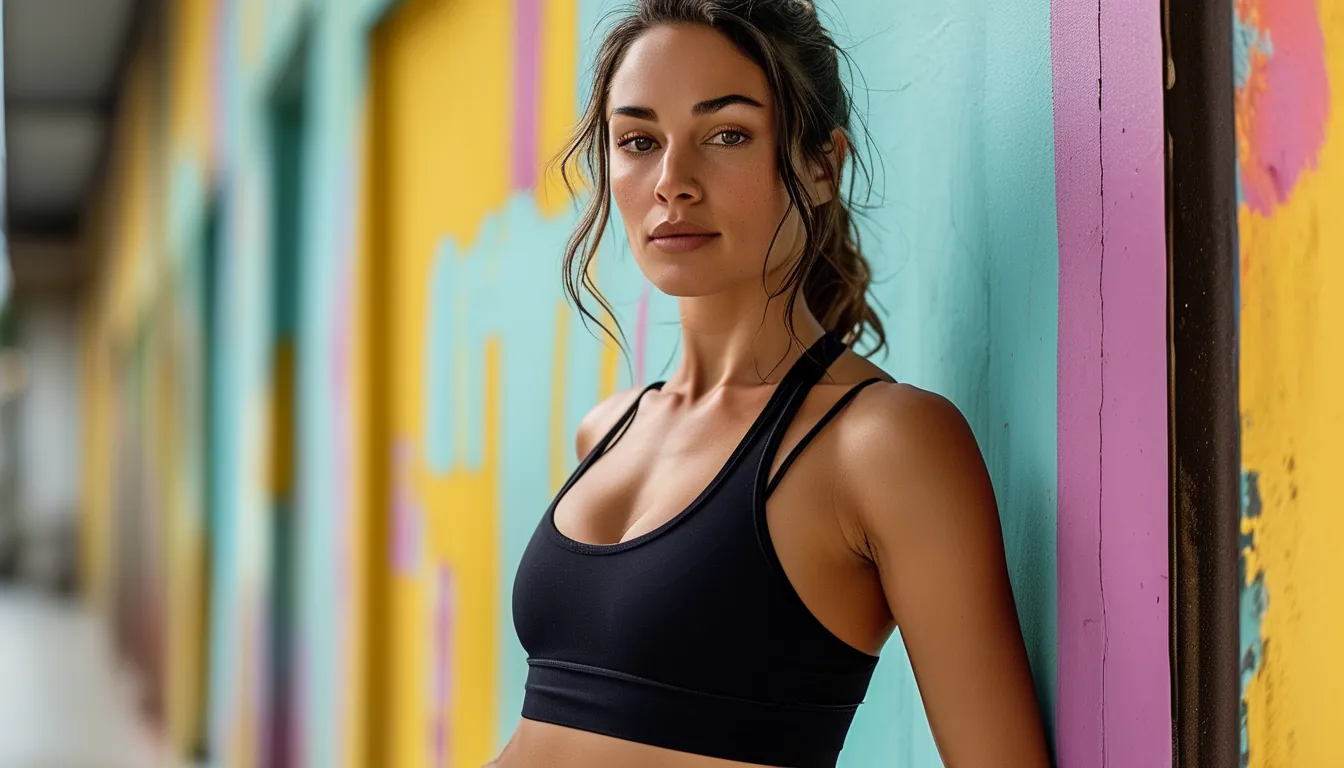
Two people wear leggings and a tee to the same coffee shop. One reads as put together and one reads as unfinished. The clothes are nearly identical, so the difference has to be somewhere else.

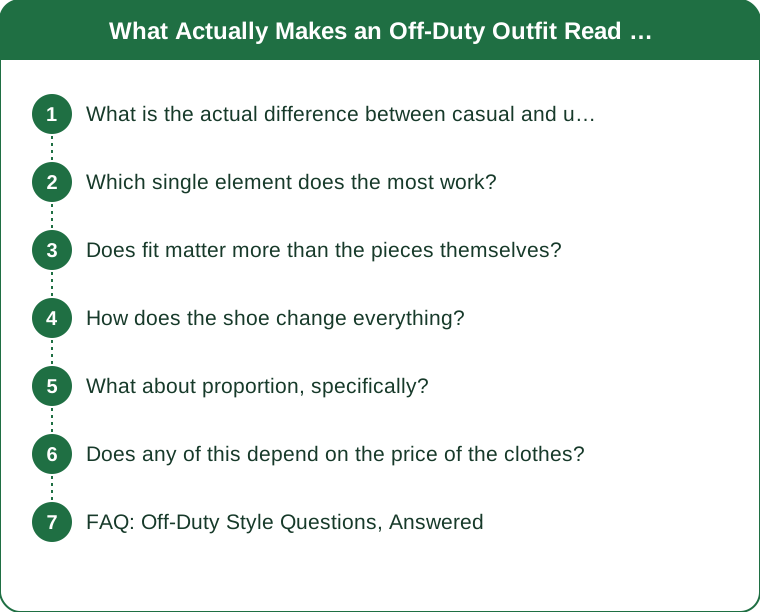
What is the actual difference between casual and unfinished?
Unfinished reads as the absence of decisions. Casual reads as the presence of easy ones.
The eye is remarkably good at detecting whether something was chosen. A shoe that matches nothing, a hem that lands randomly, a fit that is neither fitted nor deliberately oversized: all of these signal default rather than choice.
One clearly deliberate element is usually enough to reframe everything around it. That is why a considered jacket over the same tee and leggings changes the reading of the tee and the leggings too.
Which single element does the most work?
A structured third piece, consistently. Something with a shoulder line and a defined edge worn over the base.
It works because structure cannot happen by accident. Soft, draped, stretchy pieces can all be explained as convenience. A piece with construction cannot.
Ranked by effect for off-duty dressing:
- Structured overshirt, blazer, or denim jacket
- A shoe with a defined shape, not a default trainer
- A deliberate proportion, like a cropped top with a high-rise bottom
- A bag with actual structure
Any one of these is usually enough. Two is plenty. Four starts to read as trying.
Does fit matter more than the pieces themselves?
In this specific question, yes. Fit is the clearest signal of intent available.
The reading depends on which side of neutral you are on. Clearly fitted reads as deliberate. Clearly oversized also reads as deliberate. Slightly loose reads as an accident, because it looks like the correct size was unavailable.
So the practical rule is to avoid the middle. If a piece is meant to be relaxed, go far enough that it is obviously a choice. If it is meant to be fitted, make sure it actually fits at the shoulder and waist.
How does the shoe change everything?
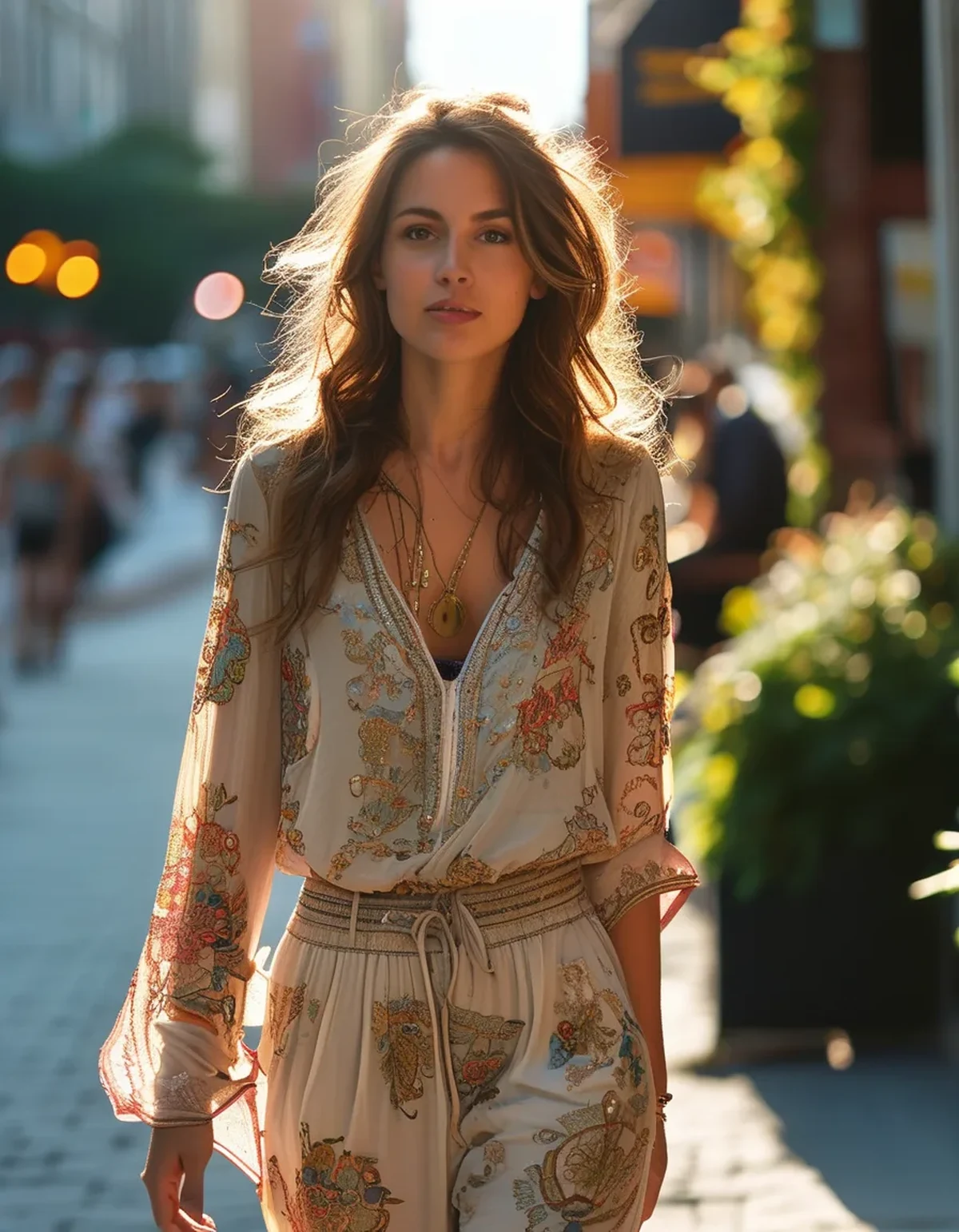
Shoes are read as the summary of an outfit, partly because they are the piece least likely to be chosen for comfort alone.
A well-kept sneaker with a distinct silhouette reads completely differently than a scuffed default trainer, even in the same outfit. A loafer, a clean low-profile sneaker, or a flat boot each shift the whole outfit upward.
The practical version: own one non-default shoe that goes with your usual off-duty outfits. It converts the entire rotation, which is a better return than any individual garment.
What about proportion, specifically?
Proportion is the quiet one. Most off-duty outfits fail here rather than at the piece level.
The reliable structures:
- Fitted top, relaxed bottom
- Relaxed top, fitted bottom
- Fitted throughout, with one oversized layer over the top
What rarely works is relaxed on relaxed with no defined line anywhere, which reads as sleepwear regardless of quality.
The waist is where the eye looks for the line. Even a tuck at the front of a tee restores a proportion that an untucked version loses, and it costs three seconds.
Does any of this depend on the price of the clothes?
Far less than people assume. The signals described here are structural, and structure exists at every price.
What price does buy is fabric behavior: better drape, better color retention, better recovery. Those help, and they are not the mechanism.
An inexpensive structured overshirt over a cheap tee with a clean shoe reads deliberate. An expensive soft cashmere lounge set with default trainers can read unfinished. The decisions are visible; the receipts are not.
FAQ: Off-Duty Style Questions, Answered
Can I do this without giving up comfort?
Yes, entirely. Every element listed here, structure, shoe, proportion, is compatible with stretch fabrics and flat shoes. Comfort is not what is being read.
How many pieces do I need to make this work?
One structured third piece and one non-default shoe covers most of it. Everything else you already own.
Does this change in fall?
It gets easier. Cooler weather makes a third piece natural rather than an addition, which is why off-duty dressing tends to look better from September onward.
What if I genuinely do not want to look put together?
Then this is not a problem to solve. The point is having the option available in four seconds, not an obligation to use it.
TL;DR:
- Deliberate reads as the presence of at least one decision that could not be accidental
- A structured third piece is the highest-yield element, followed by a non-default shoe
- Avoid the middle on fit; clearly fitted or clearly oversized both read as intentional
- Proportion at the waist is where most off-duty outfits actually fail
Hang one structured piece where you can grab it on the way out. That single item, applied over what you already wear, is the entire difference between the two people in the coffee shop.
See It in Motion
Seen here: Super High Waist Embossed Yoga Leggings with Inner Pocket — shop it on bubblelime.com
Keep Reading
This article is for general informational and styling purposes only. Fit, sizing, and product availability may vary.