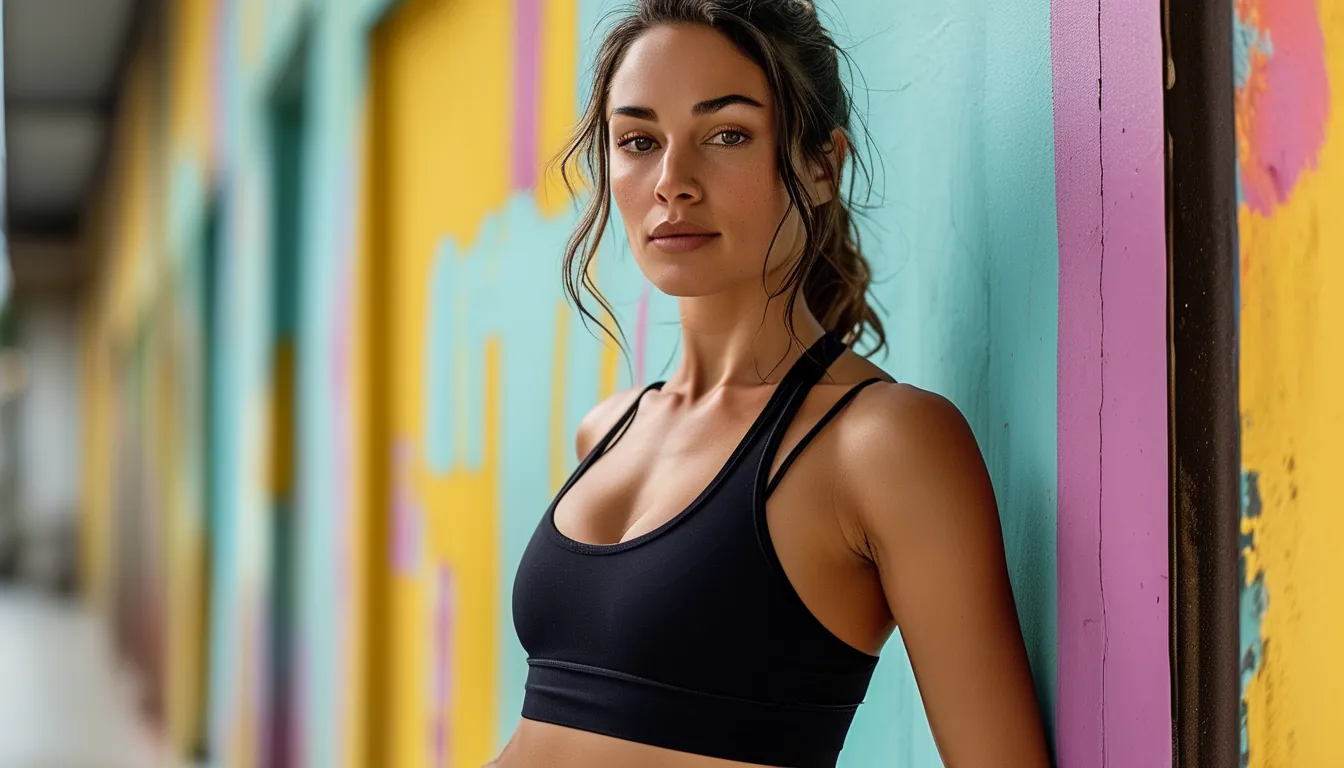
Off-Duty Questions: What Actually Makes Inexpensive Pieces Look Expensive
Quick Answer: What reads as expensive is fit at the shoulder, the waist and the hem, fabric that holds its shape rather than clinging or sagging, and depth of colour. Cost correlates with these only loosely. A well-fitted, opaque, deep-toned inexpensive piece consistently reads more expensive than a poorly fitted premium one, which is why tailoring, a lint shaver and buying one shade deeper are the highest-return moves in a wardrobe.
You have seen it. Someone in genuinely cheap clothes who looks like money, standing next to someone in expensive clothes who looks like a Tuesday.
The eye is not reading the price tag. It is reading four or five specific signals, and all of them are learnable.
Here is exactly what it is reading.

What does the eye actually read as expensive?
Not the label. Not usually even the fabric composition. It reads structure and consistency.
Fit at three points
Shoulder seam, waist and hem. If the shoulder seam sits on the corner of your shoulder, the waist sits where your waist actually is, and the hem ends at a deliberate point on your leg or arm, an outfit reads considered regardless of what it cost. All three are alterable for very little.
Opacity
Thin fabric that shows what is under it reads cheap faster than any other single quality. This is a fabric weight question, and weight is visible in a product photo if you look at how the garment drapes over a shoulder.
Depth of colour
Mid-tone, slightly washed colours are what mass-market dyeing produces most cheaply. Deep tones and true neutrals cost marginally more to produce and read considerably more expensive. Buying one shade deeper is a near-free upgrade.
Surface condition
Pilling, loose threads and permanent creases undo everything else. A fabric shaver costs less than a coffee and rescues more outfits than any purchase.
Consistency of formality
A single very casual element in an otherwise polished outfit does not read relaxed, it reads accidental. Two intentional casual elements read deliberate.
Why does fit beat fabric almost every time?
Because fit is the only signal visible from ten metres away.
Silhouette is read first
At conversational distance you register outline before texture. A clean outline suggests the garment was chosen for that body, which is the actual definition of expensive clothing.
Bad fit creates noise
A shoulder seam that hangs 3cm too far out creates a diagonal fold across the upper arm. The eye reads folds that should not be there as wear, damage or the wrong size.
Fabric quality is a close-range signal
You need to be within about a metre to read fibre quality. Most of the time nobody is.
Alterations are absurdly cheap relative to effect
A hem is typically 10 to 25 dollars. Taking in a waist is similar. That is a fraction of the price gap between a budget and a premium garment, and it buys more of the visible result.
The exception is drape
One place fabric wins outright is how a garment moves. Fabric that swings and settles reads expensive; fabric that stays creased where it folded does not. This is about fibre and weight, and it is worth spending on for anything loose and flowing.
Which pieces are worth spending on, and which are not?
Spend where structure is doing the work; save where the garment is essentially a colour.
Worth spending on
Outerwear. It is the largest area of colour and the most structured thing you own, and structure is exactly what cheap manufacturing compromises.
Shoes. They carry visible wear and they change your posture. Both are read instantly.
Anything fitted through the torso. Blazers, structured jackets, anything with a shoulder. Construction is most of the cost and most of the effect.
Not worth spending on
Plain t-shirts and tanks. These are colour and fit. Buy inexpensive, buy the right size, replace when they lose shape.
Trend pieces. By definition you are paying for a short window.
Anything you will wear under something else. Nobody is reading the quality of your base layer.
The middle ground
Leggings and everyday knits sit awkwardly between the two. Here the deciding factor is opacity and recovery, meaning whether the fabric returns to shape after stretching. Both are testable in the changing room in about ten seconds, and they matter far more than the brand.

Myth vs Fact: The Expensive-Look Rules People Repeat
Myth: Natural fibres always look more expensive
Fact: A well-made synthetic blend that holds its shape often reads better than a cheap natural fibre that creases into permanent lines by lunchtime. Behaviour beats composition.
Myth: Black is the safest expensive colour
Fact: Black shows lint, fade and pilling more than any other colour, and inexpensive blacks fade to grey-brown fast. A deep navy or a true charcoal is more forgiving and reads equally polished.
Myth: You need fewer, better pieces
Fact: You need pieces that fit. A small wardrobe of poorly fitting expensive items looks worse than a larger wardrobe of well-fitted inexpensive ones.
Myth: Visible logos signal quality
Fact: Logo placement is the single most copied element, so it carries almost no information. The eye has learned to discount it.
Myth: Matching your metals matters
Fact: It is a minor effect. Fit, opacity and colour depth outrank it by an enormous margin.
Myth: Ironing is enough
Fact: Depilling does more visible work than pressing on knitwear and activewear, and almost nobody does it.
What changes when the season turns?
Late summer into autumn is when budget pieces are most exposed, and it is predictable.
Layering multiplies fit errors
One badly fitting piece is a small problem. The same piece under a jacket creates bunching that is visible from across the street. Check your base layers under outerwear before the weather forces it.
Autumn light is less forgiving
Lower-angle and overcast light both reveal pilling and fade that bright overhead summer sun washes out. Pieces that looked fine in July genuinely look worse in October.
Fabric weight mismatch reads as cheap
A summer-weight top under a heavy coat looks thin rather than light. Matching weights across layers is a free upgrade.
Colour depth matters more
Against grey skies, washed mid-tones read tired. This is the season where buying one shade deeper pays most obviously.
Shoes carry more of the outfit
With less skin visible, footwear becomes a larger proportion of what is read. This is the season to spend there if you are spending anywhere.
Seasonal note
End-of-summer sales are the best time of the year to buy structured outerwear, which is also the category where spending gives the highest visible return. If you make one considered purchase this season, make it that one.
FAQ: Looking Expensive on a Budget, Answered
What is the single highest-return change?
Hemming. Almost everyone wears at least one thing that is 3cm too long, and the fix costs less than a lunch.
How do I check opacity in a shop?
Stretch the fabric over your own hand under the shop lighting. If you can read your skin tone through it, so can everyone else.
Does steaming really matter?
For anything woven, yes. For knits and activewear, depilling matters more.
How do I stop dark clothes fading?
Cold wash, inside out, and skip the tumble dryer. Heat is what strips dye, not detergent.
Is a capsule wardrobe necessary for this?
No. Consistency of fit does the work that people credit to capsule wardrobes.
What reads cheap fastest?
Pilling on the inner thigh and under the arms, and a shoulder seam in the wrong place. Both are fixable this week.
TL;DR:
- The eye reads fit at shoulder, waist and hem, opacity, and colour depth, not price.
- Spend on outerwear, shoes and structured torso pieces; save on tees, trends and base layers.
- A hem and a fabric shaver outperform almost any single purchase.
- Buy one shade deeper than feels natural, especially heading into autumn.
- Match fabric weights across layers, or the outfit reads thin rather than light.
Start with the thing in your wardrobe you like most and wear least. It is almost always a fit problem, and it is almost always fixable.
See It in Motion
Seen here: High Waist Bootcut Yoga Pants — shop it on bubblelime.com
Keep Reading
This article is for general informational and styling purposes only. Fit, sizing, and product availability may vary.