Off-Duty Outfit Questions: Fabric, Fit and Fading, Answered
Quick Answer: Most off-duty outfits stop looking put-together because of fabric behavior, not styling choices. Pilling, fading, sagging waistbands, and that slightly dull cast all come from washing and wearing habits that are easy to correct. The three highest-impact fixes: wash inside out in cold water, skip fabric softener entirely, and never dry high heat. Those three alone extend the good-looking life of a set by months.
This one is structured as a set of questions, because that is how the problem actually arrives - one specific annoyance at a time.
Start wherever your current complaint is.
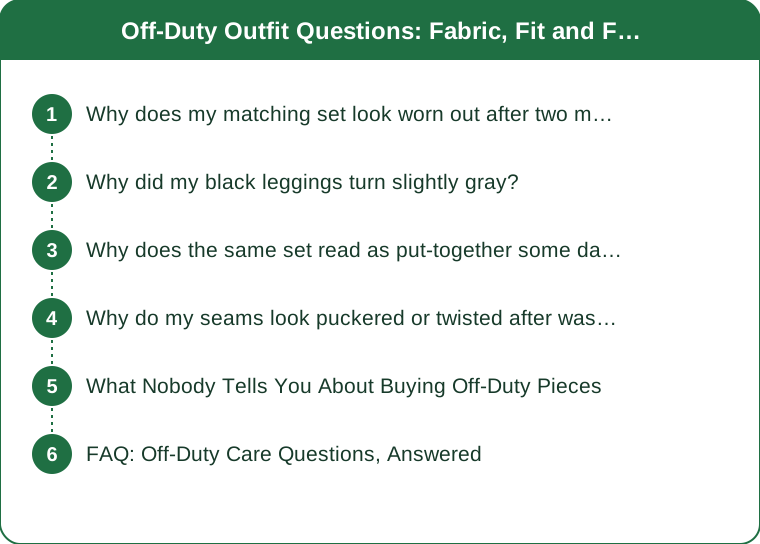
Why does my matching set look worn out after two months?
Almost always friction plus heat, in that order.
Pilling is mechanical. Loose fiber ends work their way to the surface and tangle into balls wherever fabric rubs fabric - inner thighs, underarms, the strip where a bag strap sits. Blended fabrics pill more than pure ones because the fibers have different strengths and the weaker ones break first.
Heat is the accelerant. A hot dryer relaxes elastane permanently, and once that recovery is gone the fabric goes slightly slack and starts looking tired even when clean.
What actually stops it?
Wash inside out, cold, on a gentle cycle. Inside-out puts the friction on the surface nobody sees. Cold water is not a compromise - modern detergents are formulated for it and it is strictly better for elastane.
Use a mesh bag. It prevents your leggings from spending 40 minutes abrading against a zipper.
Can I fix pilling that already happened?
Yes, largely. A fabric shaver takes it off in one pass and the piece looks close to new. Do not use a razor on knit fabric - it catches and cuts loops. Shave dry, laid flat, and go in one direction.
Why did my black leggings turn slightly gray?
Two different causes, with two different fixes, and people usually try the wrong one.
Cause one: detergent residue. Too much detergent does not rinse out fully and leaves a dulling film. This is the most common cause and it is fully reversible. Wash the piece with no detergent at all on a rinse cycle, or add half a cup of white vinegar to the rinse. The color often comes back visibly.
Cause two: actual dye loss from hot water, sun, or chlorine. This is not reversible, though a color-refresh product can mask it for a few wears.
How do I tell which one I have?
Dampen a white cloth and rub the fabric firmly. If gray transfers to the cloth, it is residue. If nothing transfers and the piece still looks dull, the dye is gone.
What about fabric softener?
Skip it entirely on any performance fabric. Softener works by coating fibers with a waxy layer - which is exactly what kills moisture-wicking, traps odor, and produces that dingy cast. This is the single most common activewear care mistake, and dryer sheets do the same thing in solid form.
Why does the same set read as put-together some days and sloppy on others?
Because two variables move independently of the outfit: fit at the waist and the state of the fabric surface.
Waistband recovery is a daily variable. A set that has been worn twice since washing has a slightly stretched waistband, and a waistband that has stopped gripping changes the entire silhouette - the top of the pant sits lower, the top blouses out, and the proportion that made it work is gone.
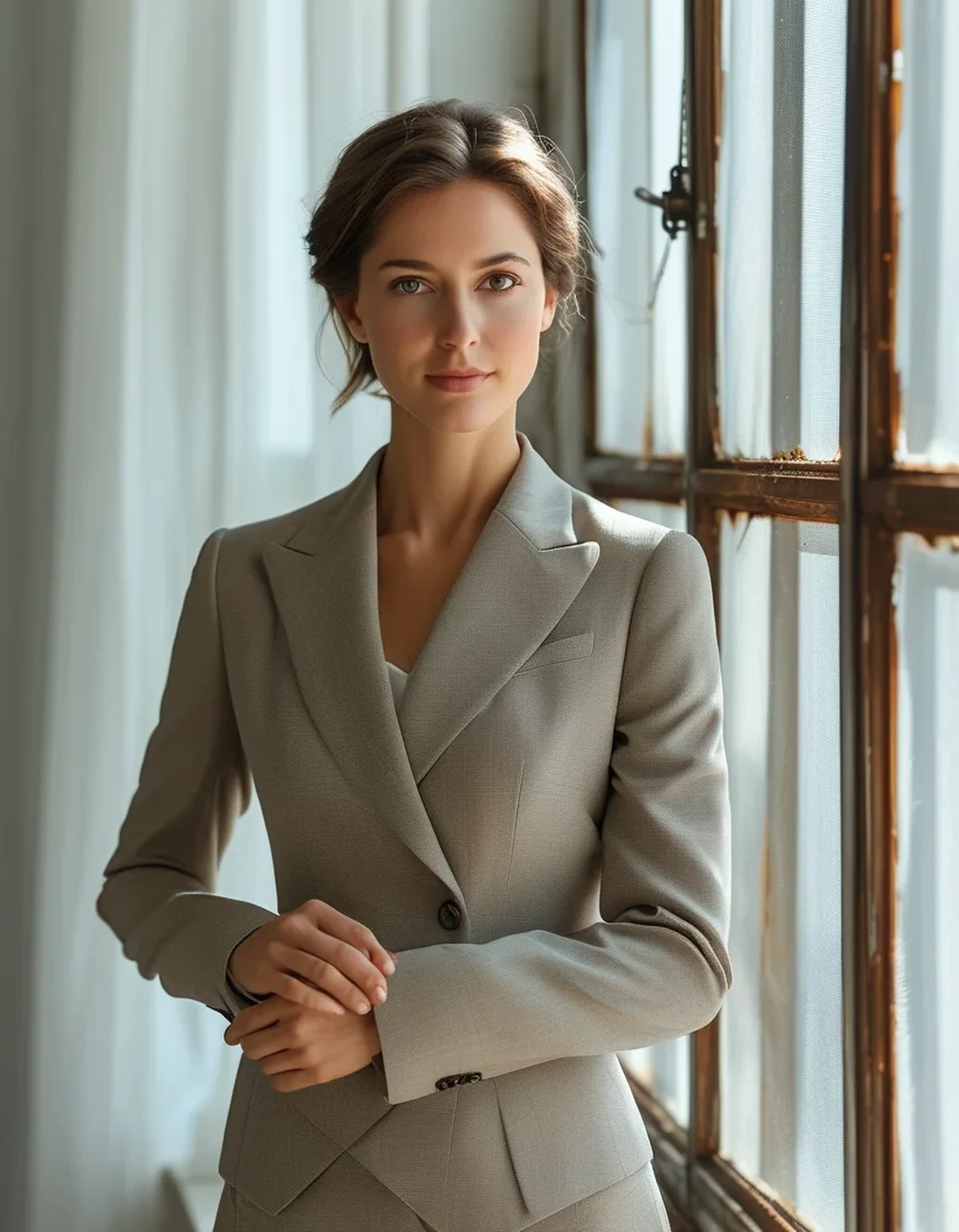
Surface matters more than color. A crisp, matte surface reads deliberate. A slightly fuzzed one reads worn, even at three feet.
What is the fastest fix on a morning I do not have time?
Swap the shoe and add one structured piece. A structured jacket, a stiff bag, or a belt restores the deliberate reading even when the base pieces are soft.
Should I own two of the sets I wear most?
If you wear something weekly, yes. Rotation is what preserves elastane - fibers need time to recover between wears, and a piece worn twice a week lasts substantially longer than the identical piece worn five times a week.

Why do my seams look puckered or twisted after washing?
Usually the dryer, occasionally the cut.
Twisted side seams on a knit piece often mean the fabric was cut slightly off-grain at manufacture. It gets worse with each wash and it cannot be fixed - that is a return-it problem, not a care problem.
Puckered seams are different. They are usually differential shrinkage: the thread and the fabric respond to heat at different rates. Hot drying is nearly always the cause.
How should I dry activewear then?
Hang or lay flat. Performance fabrics dry remarkably fast on their own - often faster than a low dryer cycle, since they are engineered to move moisture.
If you must use a dryer, use no heat at all. The air-fluff or air-dry setting tumbles without the damage.
Does hanging stretch out leggings?
Over a thin hanger, slightly. Fold them over the bar or lay them flat, and hang tops rather than bottoms. The bigger risk to leggings is heat, not gravity.
What Nobody Tells You About Buying Off-Duty Pieces
Four things that would change most people’s shopping.
Fabric weight predicts longevity better than price. A heavier knit resists pilling and holds shape longer. Price correlates with weight loosely at best - there are expensive thin pieces and affordable dense ones, and the hand-feel test in the store tells you more than the tag.
The squat test is the wrong test for opacity. Fabric is most transparent when stretched and under bright overhead light. Test by pulling the fabric over your hand and holding it up to a window, which is more demanding and more honest than a fitting-room mirror.
Sets rarely stay matched. The top and bottom wear at different rates because they get washed together but rub differently, so after a season the shades diverge slightly. Buying the set in a texture rather than a flat solid hides this entirely.
Late summer is the best buying window for transitional pieces. Retailers clear warm-weather activewear as fall lines land, and the mid-weight pieces that actually work from September through November are exactly what gets marked down in August.
FAQ: Off-Duty Care Questions, Answered
How often should I actually wash leggings?
After every workout wear, without exception - sweat degrades elastane and sets odor. For non-sweaty wear, every two or three wears is fine, and the rest between wears helps the fabric recover.
Does the smell that survives washing mean the piece is finished?
Not usually. Persistent odor is bacteria trapped in a softener or oil residue layer. Soak in a solution of cold water and a cup of white vinegar for 30 minutes, then wash normally with no softener. This rescues most pieces.
Is hand washing worth the effort?
For delicate bras and light-colored pieces, yes. For everything else, a mesh bag on a cold gentle cycle gets you 90 percent of the benefit for none of the time. Spend the effort on skipping the dryer instead.
TL;DR:
- Wash inside out in cold water - friction and heat, not age, are what wear pieces out.
- Skip fabric softener and dryer sheets entirely. The waxy coating causes the dinginess and the trapped odor.
- Gray-looking blacks are usually detergent residue, not lost dye - a vinegar rinse often brings the color back.
- Air dry. Performance fabric dries faster on a rack than on low heat, and heat is what kills elastane.
- Rotate anything you wear weekly. Recovery time between wears extends the life of a piece more than any product.
Pick the one complaint that bothers you most and apply just that fix this week. The difference shows up in about two wash cycles.
See It in Motion
Seen here: High Waist Yoga Leggings with Side Pockets — shop it on bubblelime.com
Keep Reading
This article is for general informational and styling purposes only. Fit, sizing, and product availability may vary.